Cow Care Tips for Beginners: What You Actually Need to Know

Bringing home your first cow is nothing like adopting a dog or cat, and most beginner guides don't say that plainly enough. A cow eats far more, needs far more space, and reacts badly to sudden changes in routine. If you're a few weeks away from your first cow, or you just brought one home last month and things feel a bit chaotic, this guide walks through what actually matters day to day.
We'll cover housing, feeding, daily routine, and health basics — the same fundamentals we lean on at Pet Age Calculator when we talk about caring for any animal well, whether that's a cow, a dog, or something in between. If you're also managing a dog at home, our guide to cleaning dog teeth without brushing is worth a look too, since dental neglect is one of those slow problems that sneaks up on any pet owner.
Getting Started With Your First Cow
Before you even bring a cow home, it helps to be honest about what you're taking on. A cow will live 15 to 20 years if cared for properly, and a dairy cow needs milking on a fixed schedule every single day, holidays included. There's no "skip a day" option once she's in milk.
Most beginners underestimate three things: the amount of water a cow drinks (25 to 50 litres a day depending on size and weather), how much space she needs to move around comfortably, and how much personality an individual cow actually has. Some cows are easygoing from day one. Others take a month or two to trust a new handler, and pushing that timeline usually backfires.
- Start with a single, calm-tempered cow rather than a young or high-strung one if this is genuinely your first time.
- Ask the seller or breeder about her current feeding schedule and try to keep it similar for at least the first two weeks.
- Line up a local veterinarian's contact before the cow arrives, not after something goes wrong.
This is really the core of any beginner's guide to raising cows: slow down the first month, watch more than you act, and let the cow settle into a rhythm before you start making changes.
If you're searching for how to take care of a cow at home rather than on a working farm, the basics don't actually change much — you just have less room for error. A backyard setup means less space to separate a sick animal, less buffer if feed runs out, and neighbors who will notice a cow's mooing at 5 a.m. more than a farm ever would. Check your local zoning rules before you commit; some residential areas restrict livestock or cap the number of animals per plot, and it's a frustrating thing to discover after the cow has already arrived.
It also helps to talk to someone who's done this before, even briefly. A ten-minute phone call with an experienced neighbor or the seller can save you weeks of guessing about things like how she reacts to a new milker's hands, or which part of the yard she'll try to escape through first.
Cow Shelter and Housing Requirements
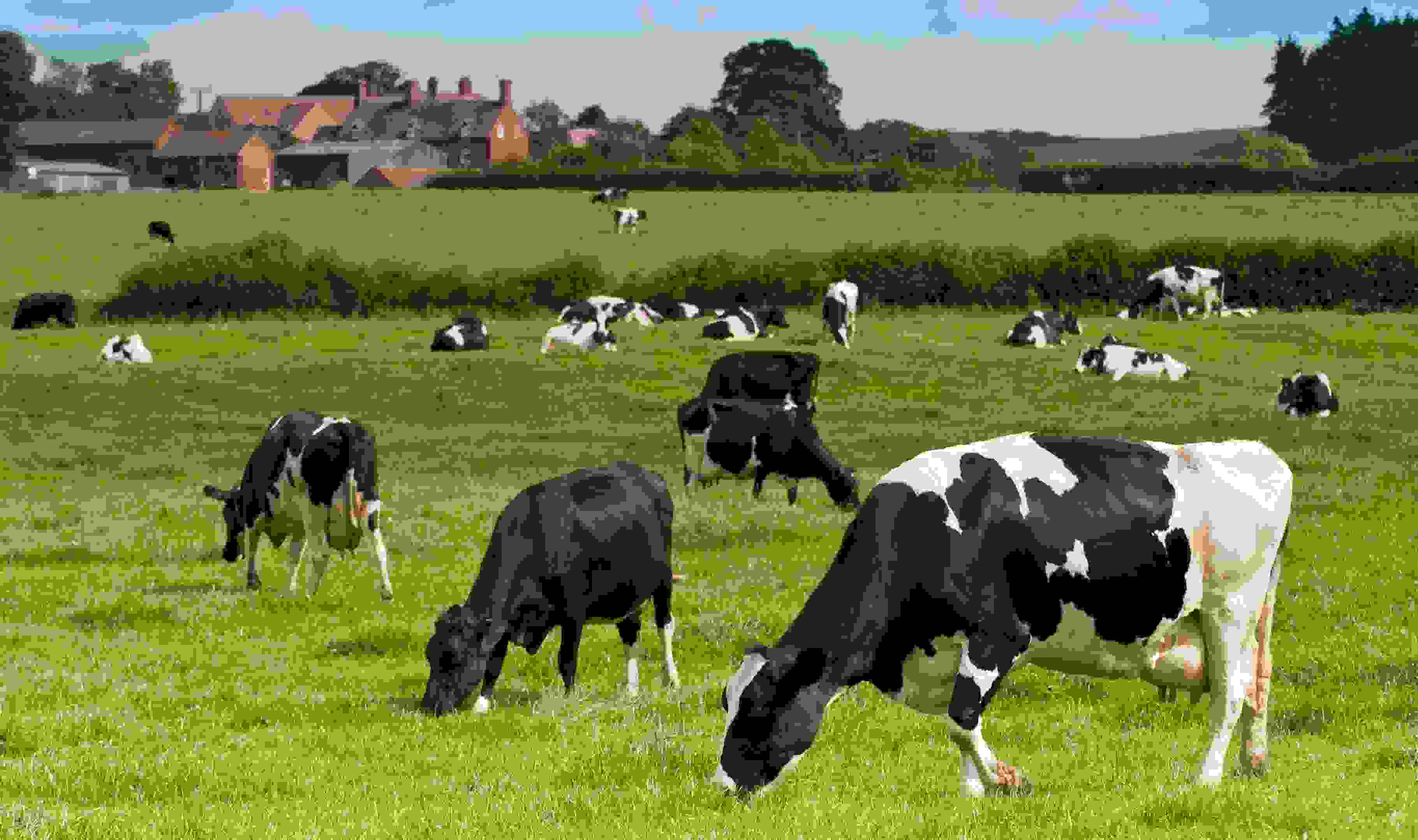
A cow's shelter doesn't need to be elaborate, but it does need to solve three problems: shade from direct sun, protection from rain and wind, and dry footing. Wet, muddy flooring is one of the fastest ways to end up with hoof infections, and it's avoidable with basic drainage planning.
For a single cow, aim for roughly 100 to 150 square feet of covered shelter space plus an outdoor area she can move around in freely. The shed floor should slope slightly so water and urine drain away rather than pooling. Concrete with a rough (non-slip) finish works well; smooth tiles do not, since cows can slip and injure a leg.
| Housing element | Beginner-friendly setup |
|---|---|
| Roof | Sloped, at least 10 ft high for airflow |
| Flooring | Rough concrete with a slight drainage slope |
| Bedding | Straw or dry sawdust, changed every 2-3 days |
| Fencing | At least 4 ft high, no sharp wire edges |
Bedding matters more than people expect. Damp, dirty bedding left too long is a common cause of mastitis in dairy cows. Changing it every two to three days, rather than "when it looks bad," heads off a lot of problems before they start.
Feeding: The Foundation of Cow Management
Feeding is where most of the day-to-day decisions in dairy farming for beginners actually happen. A cow's diet needs a mix of roughage (grass, hay, or silage) and concentrate feed (grains, oilcake, mineral mixtures), and the ratio shifts depending on whether she's milking, pregnant, or resting.
As a rough starting point for a mid-size dairy cow:
- Green fodder or grass: 25-30 kg per day
- Dry fodder (straw/hay): 5-6 kg per day
- Concentrate feed: 1 kg for every 2.5 litres of milk produced, roughly
- Mineral mixture: 50-60 grams daily, mixed into feed
- Clean water: available at all times, not just during feeding
One mistake beginners make often: switching feed types abruptly. A cow's rumen (her main digestive stomach) adjusts to a diet over 7 to 10 days. Introduce any new feed gradually over that window, or you'll likely see loose stools or reduced appetite for a few days.
This is also where essential cow management practices come in — keeping a simple feeding log for the first few months helps you notice patterns, like a dip in appetite before an illness becomes obvious, that you'd otherwise miss.
Water quality matters as much as quantity, and it's the part beginners skip most often. A trough that hasn't been scrubbed in two weeks grows algae fast in warm weather, and a cow will simply drink less from it rather than complain. Less water intake quietly drags down milk yield before you notice anything else is wrong. Rinse and refill the trough daily if you can, and give it a proper scrub at least once a week.
Seasonal changes also shift what a cow needs. Green fodder is easy to find in the monsoon or growing season but can get scarce and expensive in peak summer or dry winter months, which is when a lot of beginners lean too hard on concentrate feed to make up the gap. That works short-term, but too much concentrate without enough roughage can cause acidosis — a genuinely serious digestive condition. Stock some dry hay or silage in advance so you're not scrambling when green fodder gets thin.
Want to understand your pet even better?
Explore more science-backed pet guides and tools on Pet Age Calculator.
Visit Pet Age CalculatorA Realistic Daily Routine for Cow Care
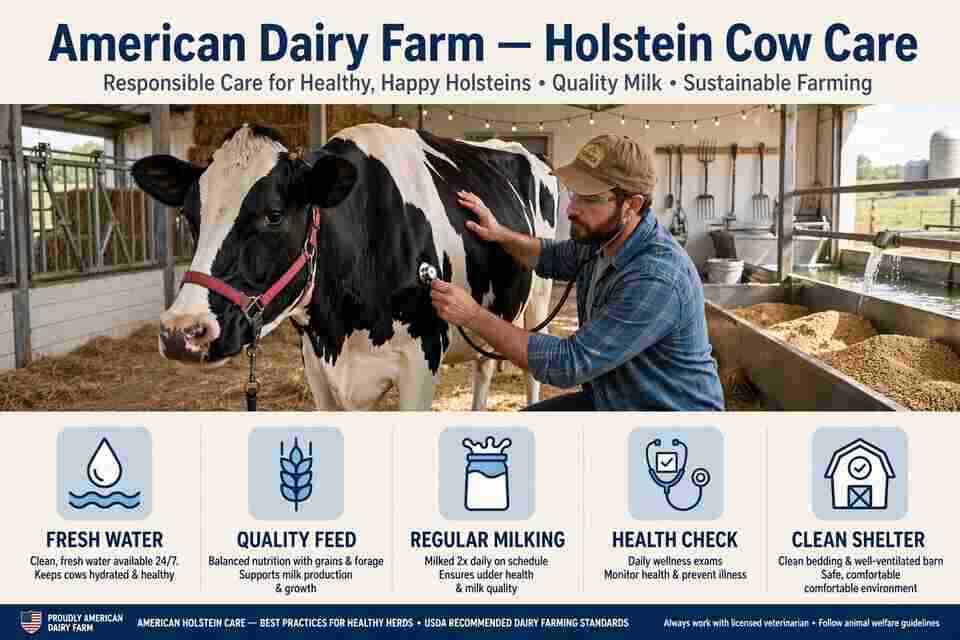
A workable daily routine for cow care doesn't have to be complicated, but it does need to be consistent. Cows notice when their schedule shifts by even an hour, and that stress can show up as reduced milk yield or restlessness.
- Early morning: Fresh water refill, first milking (if applicable), quick visual health check.
- Morning feed: Green fodder plus part of the day's concentrate ration.
- Midday: Shade check, water top-up, brief grooming or brushing.
- Afternoon: Grazing time if pasture is available, or additional dry fodder.
- Evening: Second milking, final feed, bedding check before nightfall.
The visual health check is worth doing properly rather than rushing. Look at how she's standing, whether she's chewing her cud (cows chew cud for 6-8 hours a day when healthy), and whether her eyes look alert. This takes maybe two minutes but catches problems early more often than people expect.
Grooming isn't just cosmetic either. Brushing removes loose hair and parasites, and most cows genuinely relax during it once they're used to being handled — it's one of the easier ways to build trust with a new cow in her first month.
Basic Health Care and Vaccination Tips
Basic cow health and vaccination tips start with knowing the warning signs rather than memorizing every disease name. Watch for: reduced appetite, a drop in milk yield, unusual discharge, limping, or a body temperature above 39.5°C (a normal cow's temperature sits around 38.5°C).
Vaccination schedules vary by region, so this isn't something to guess at. Talk to a local veterinarian about the specific timeline for your area, but most beginner setups will need to plan around:
- Foot and Mouth Disease (FMD) — typically every 6 months
- Haemorrhagic Septicaemia (HS) — usually annual, often before monsoon season
- Black Quarter (BQ) — usually annual, timing depends on regional risk
- Deworming — every 3-4 months for adult cows, more frequently for calves
Keep a written vaccination and deworming log. It sounds unnecessary until you're six months in and can't remember whether the last dose was in March or April — and vets will ask.
One thing that doesn't get said enough: not every issue needs a vet visit, but you should never guess on anything involving fever, sudden lameness, or a cow that won't get up. Those three symptoms are worth a same-day call, not a wait-and-see approach.
Common Beginner Mistakes Worth Avoiding
A few mistakes show up again and again in first-year cow owners, and most of them are easy to sidestep once you know to watch for them.
- Changing feed too fast. A sudden switch from one fodder type to another is one of the most common causes of digestive upset in the first few months.
- Skipping the daily visual check because "she looked fine yesterday." Symptoms in cattle can escalate within a single day, especially bloat and mastitis.
- Under-building the shelter. A shed that felt spacious for a calf gets cramped fast once she's fully grown — plan for her adult size from day one, not her current size.
- Handling her differently when stressed or in a hurry. Cows pick up on rushed, tense body language quickly, and a cow that's been startled a few times gets harder to milk and handle over time.
- Waiting too long to call the vet. Beginners often want to "see if it clears up" for a day or two longer than they should, especially with fever or lameness.
None of these mistakes are dramatic on their own, but they compound. A cow that's stressed, slightly underfed, and housed too tightly will show more health problems over a year than one where each of these was handled reasonably well.
Quick Recap
- Shelter: Dry, shaded, non-slip flooring, bedding changed every 2-3 days.
- Feeding: Mix of green fodder, dry fodder, and concentrate; introduce changes gradually.
- Routine: Fixed milking and feeding times, twice-daily health checks.
- Health: Know the vaccination schedule for your region; log every dose.
- Handling: Give a new cow a few weeks to settle before changing her routine.
Frequently Asked Questions
How much land does one cow actually need?
A single dairy cow generally needs at least half an acre to an acre of grazing land if you want the pasture to recover between grazing sessions. Stall-feeding needs less land but more daily fodder work.
What if my cow stops eating suddenly?
Appetite loss lasting more than a few hours, especially with a swollen belly or grinding teeth, deserves a same-day vet call. It's often the earliest sign of digestive trouble.
How do I know if my cow's shelter is warm or cool enough?
Cows manage a fairly wide temperature range but struggle above roughly 27°C without shade, and calves chill below 5°C without dry bedding. Open-mouth breathing or huddling are your cues to adjust.
Can I raise just one cow, or do cows need company?
Cows are herd animals, and a lone cow often paces or calls out repeatedly. A goat or calm horse as a companion usually helps if a second cow isn't possible.
What vaccinations does a beginner really need to prioritize?
At minimum, plan around FMD, HS, and BQ vaccines on the schedule your local veterinary department recommends, since timing varies by region.
How long before a beginner feels confident with cow care?
Most first-time owners find the first two to three months the steepest, mostly around reading feeding cues. By six months, the routine usually feels manageable.
None of this replaces an actual conversation with a vet who knows your region's disease risks and climate. Use this as a starting checklist, not the final word — and expect the first few weeks to be a bit messier than any guide makes it sound. Explore more animal care guides on the Pet Age Calculator blog.